BY CHRIS GOMAN
As soon as the screening room at the European Theatre Institute opens, it is filled with the buzz of conversation. People are talking about the films they’ve watched, and I realize that I am among fellow cinephiles. “Bugonia was good but it’s not my favourite of his films.” “Have you cried your eyes out at Hamnet yet?” Jacob is scanning the tickets. The seats fill in quickly and extra chairs are being put in the isles. Jules - one of the film club’s founders - is going around with a glass of wine in her hand, hugging people and chatting. Friends are greeting each other, newcomers are striking up conversations. There is an instant sense of community. It’s Friday. We watch movies on Fridays. The lights go off.
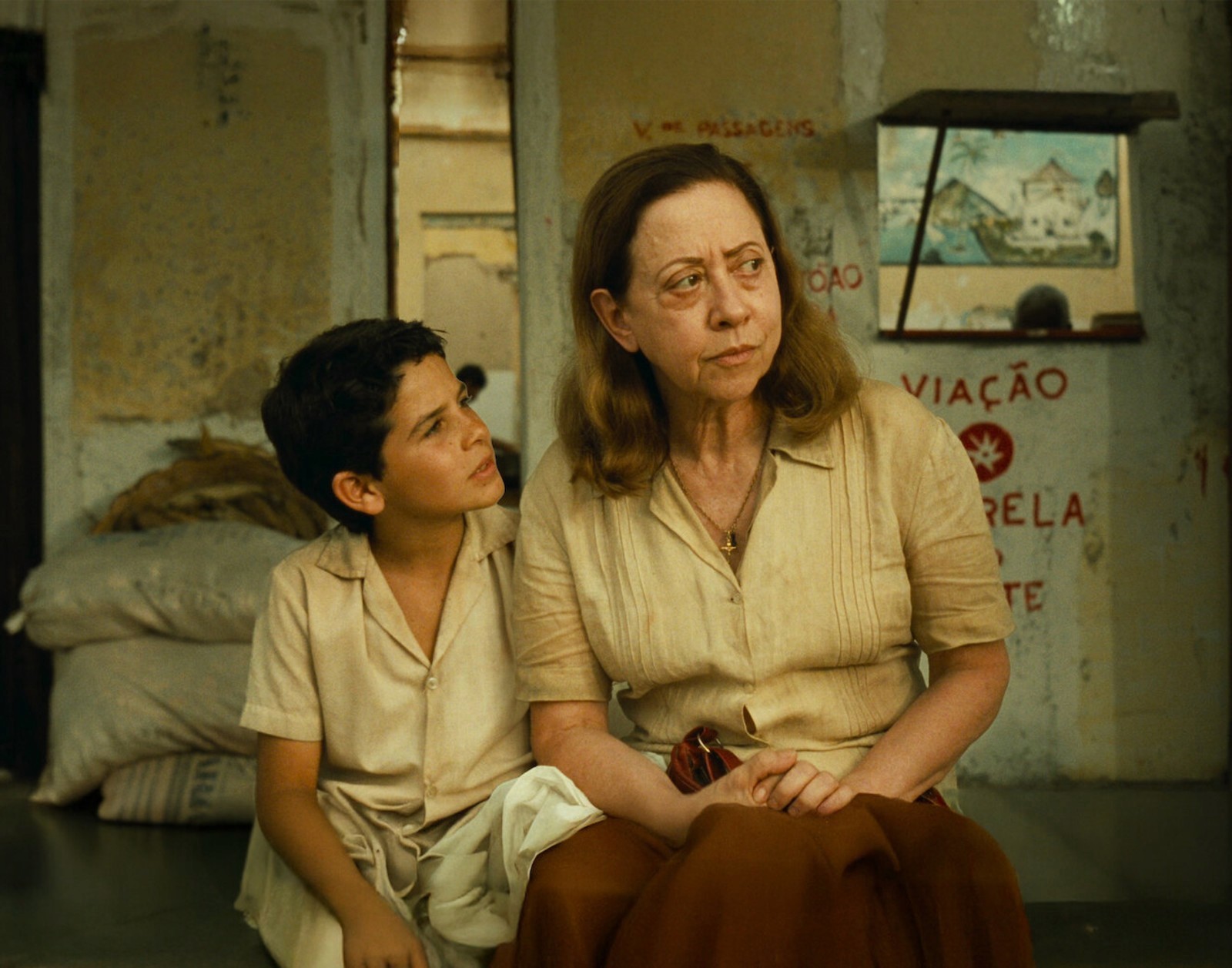
The 1st film of 2026 is Central Station (Central do Brasil, 1998). Dora is a former schoolteacher who now works at Rio’s railway station. She writes letters for those who are illiterate and for an extra cost she offers to post them. Embittered by life, Dora makes fun of people’s sincerity and destroys their letters when she gets home. After one of Dora’s customers dies, she is saddled with guilt over not posting the letter to the absent father of the woman’s now homeless child. Following a few selfish attempts to get rid of the child, Josué, Dora unwillingly embarks on the journey to find his father.
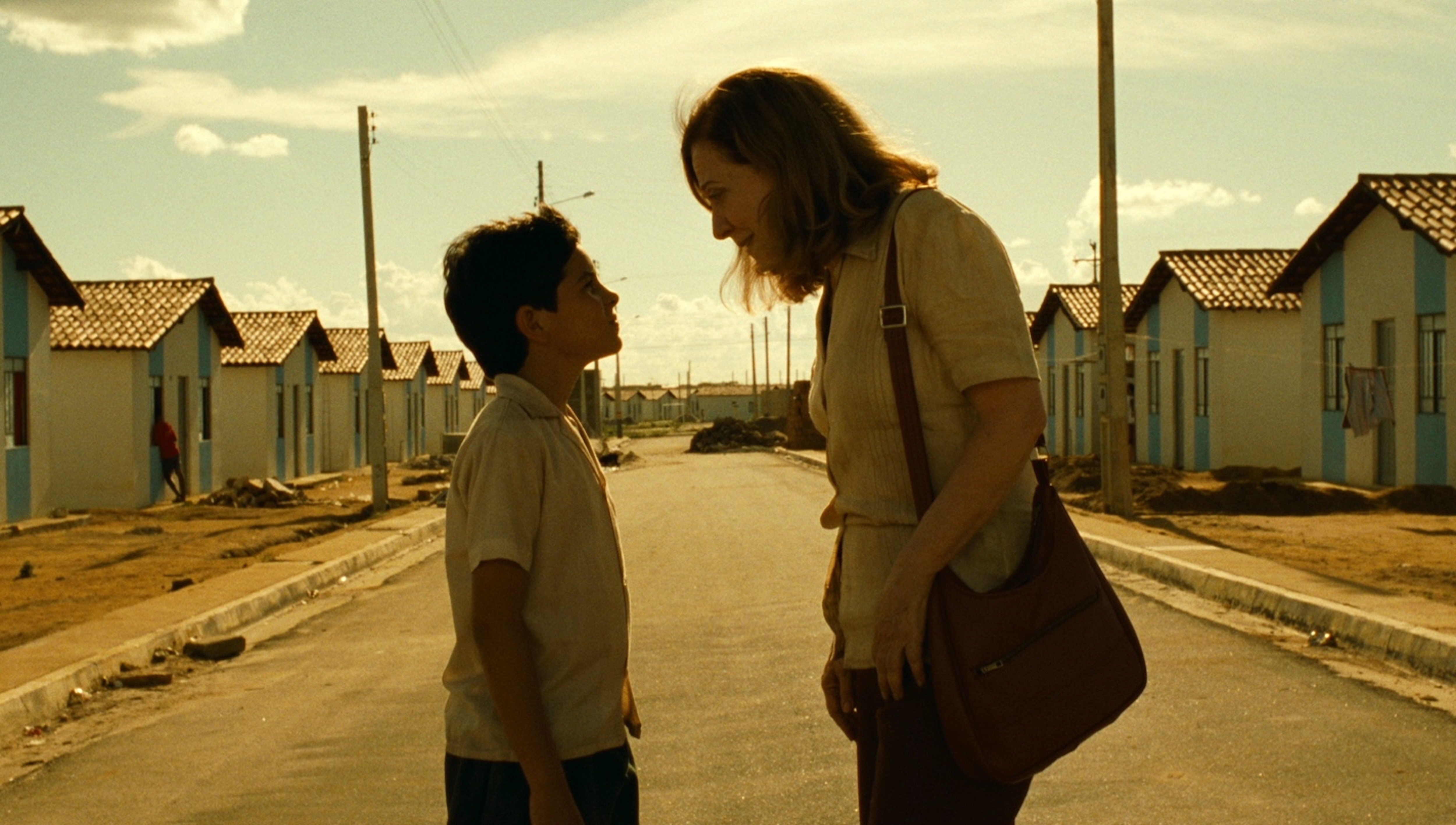
There is a scene in the beginning of the film where people rush onto an empty train through open windows to get a seat. It’s a dog-eat-dog world, and Dora is the embodiment of its cruelty and cynicism. The film turns out to be less about the boy finding his father and more about a bitter woman’s path to reawakening. Dora’s journey is unmistakably Kafkaesque in that it is not a journey toward home; the journey itself is in fact her home.
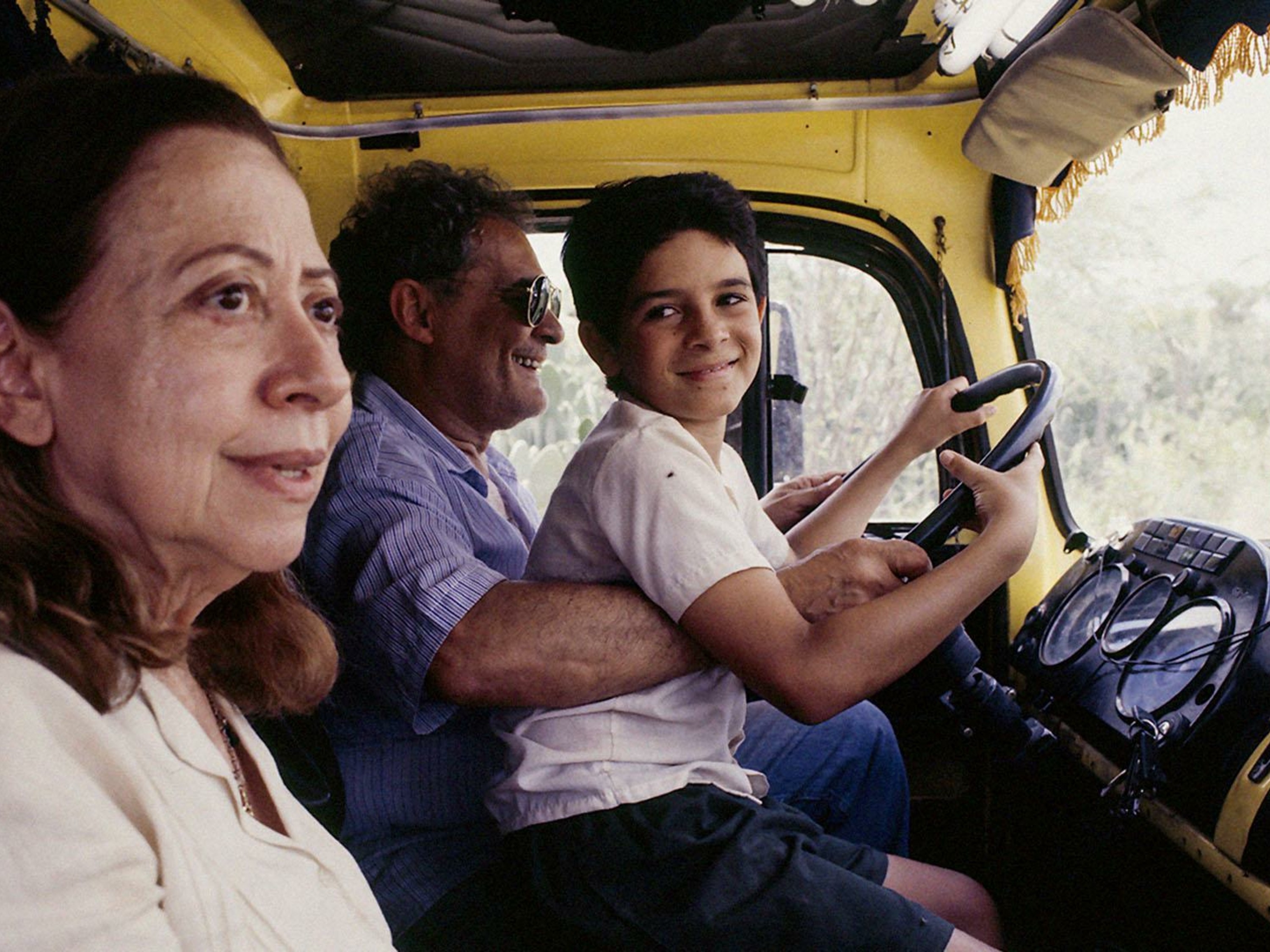
As the road movie illuminates colorful corners of Brazil, it makes the audience wonder how it’s possible to feel such disillusionment at the world and still be struck by the immediate beauty of it. There is a deeply life-affirming message at the film’s core: life is not so profuse that you can afford to squander it out of indifference.
The lights come on. Julian, my seat neighbor, asks how I liked the film. Conversations pick up again: “Is Dora queer-coded?”, “Did you get the biblical symbolism?”. Jules and Arnoud talk about the film’s historical context. Hands are raised at first, but then the atmosphere becomes more casual, and people just chime in with comments. The sense of community hits me again: it’s a Friday night in the company of friends. We watch movies on Fridays.
<-back
Upcoming events, special screenings, monthly film picks and more.
Get info about filmmaker events, open calls and opportunities.